What makes archery so captivating is that it makes focus visible — draw, hold, release; where the arrow lands is exactly the state you were in at that moment. And the premise of all this is a bow that truly fits you. This article helps you sort out the matter of "your first bow."
Know the two bow families first: recurve and compound
ARCUNI's product line is built around two main categories: the recurve bow and the compound bow. They deliver energy to the arrow in completely different ways, and they correspond to two very different beginner experiences.
A recurve bow has limb tips that curve away from the archer; its structure is relatively simple, and once at full draw you must hold the weight throughout — precisely because it is "honest," beginners learn correct form from it most easily. A compound bow, by contrast, carries cams and cables on the riser, using its mechanism to shed most of the holding weight at full draw: easy to hold, accurate, and forgiving, but it also asks you to learn a bit more about tuning the equipment.
For the vast majority of people picking up a bow for the first time, starting with a recurve is the smoothest path: it is cost-effective, intuitive, and easy to carry, and it lets you best "read" your own hand. The bow- and arrow-selection methods we unfold below all take the recurve as their main thread.
The four faces of the recurve
The recurve is not just one shape. By riser-and-limb structure, ARCUNI's recurve system splits into four branches — figure out how you want to play first, then choose the shape.
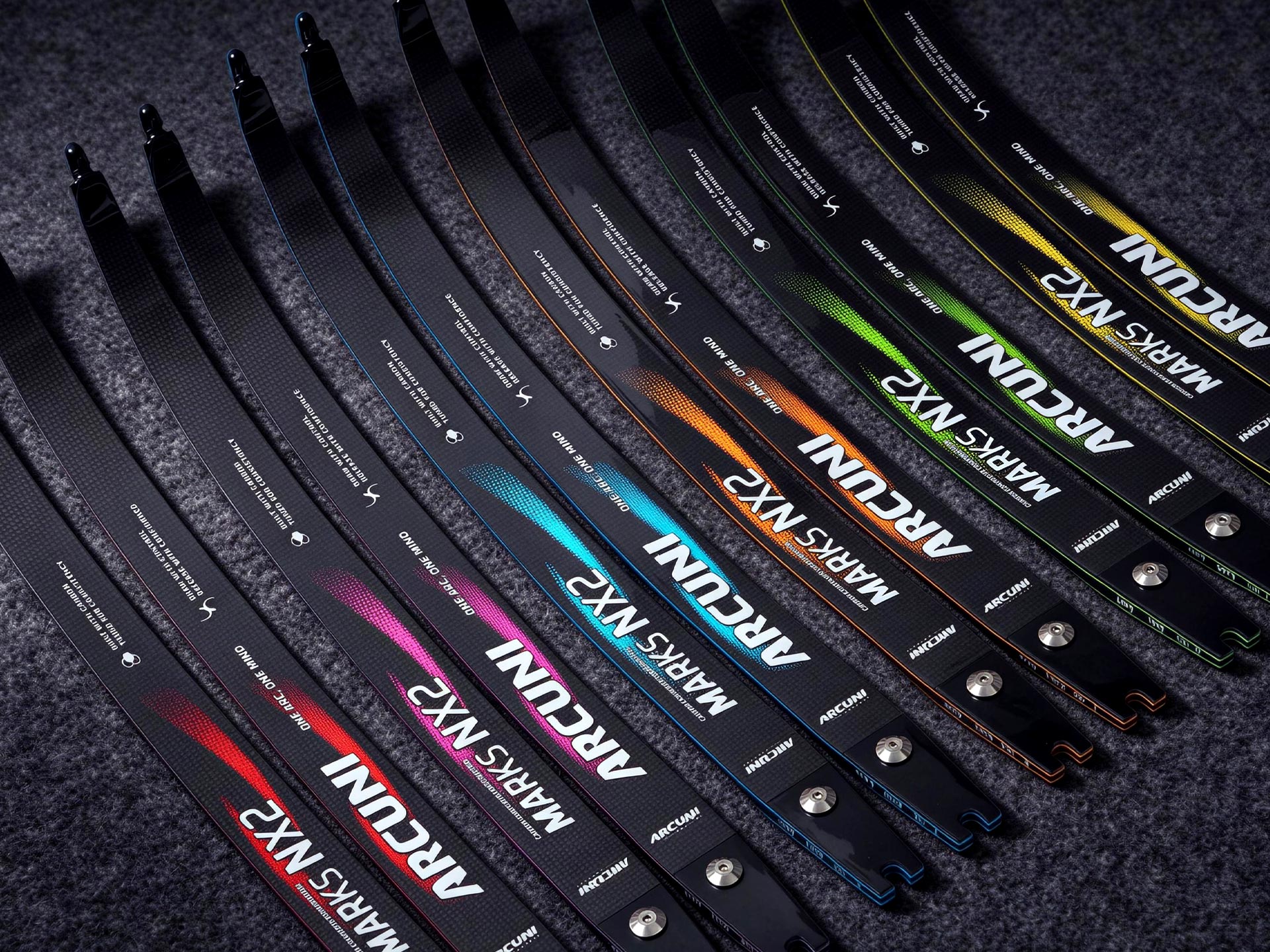
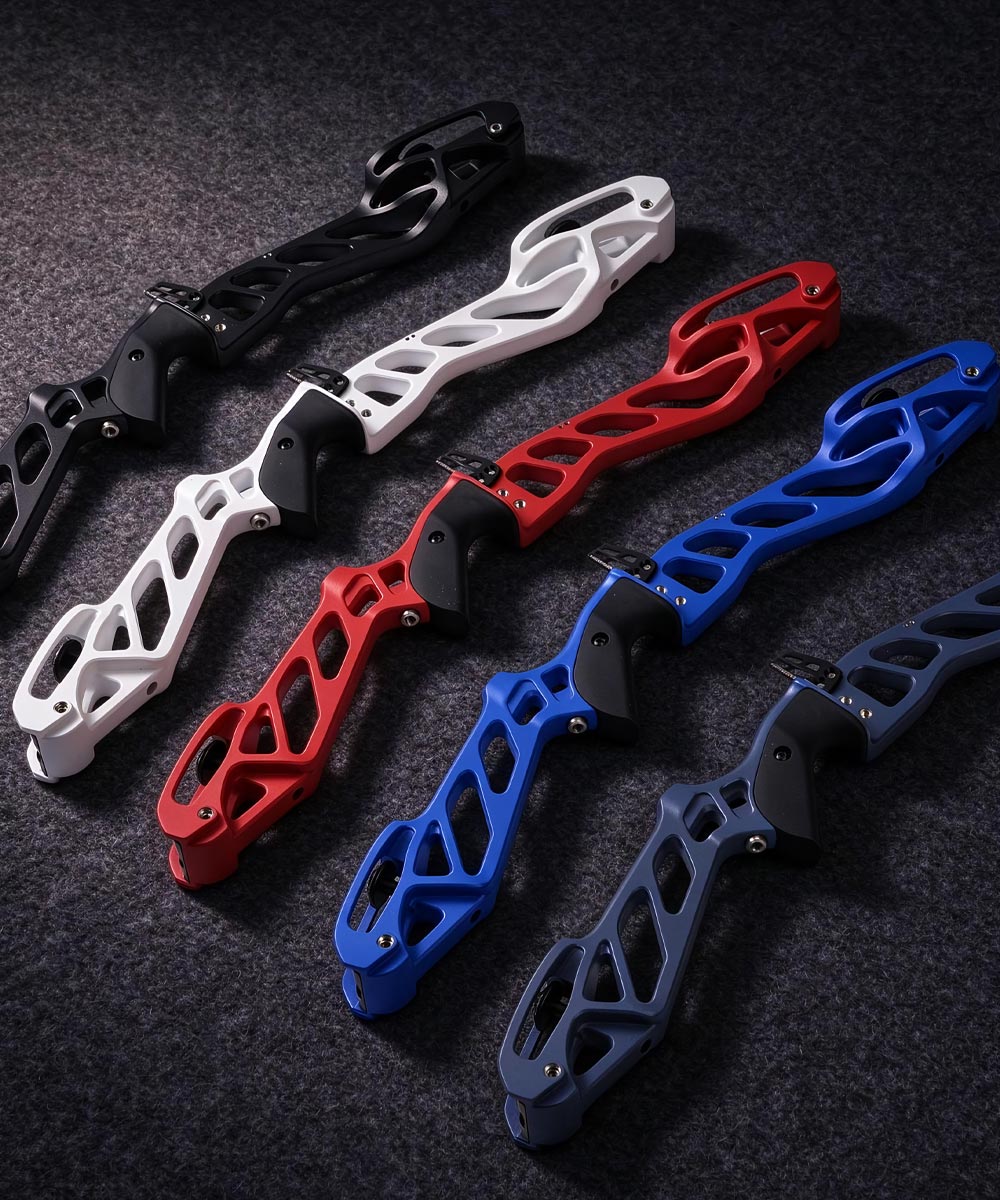
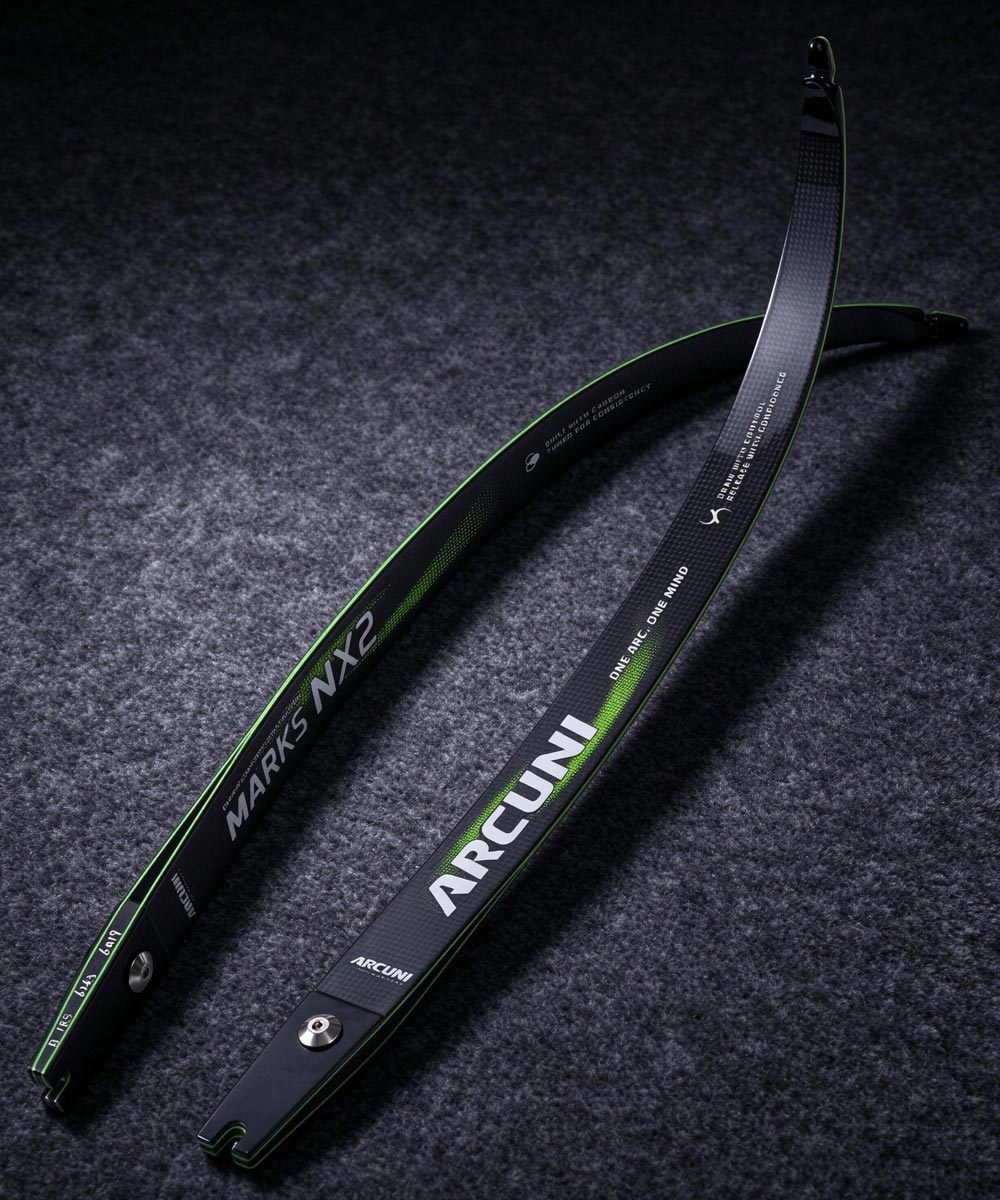
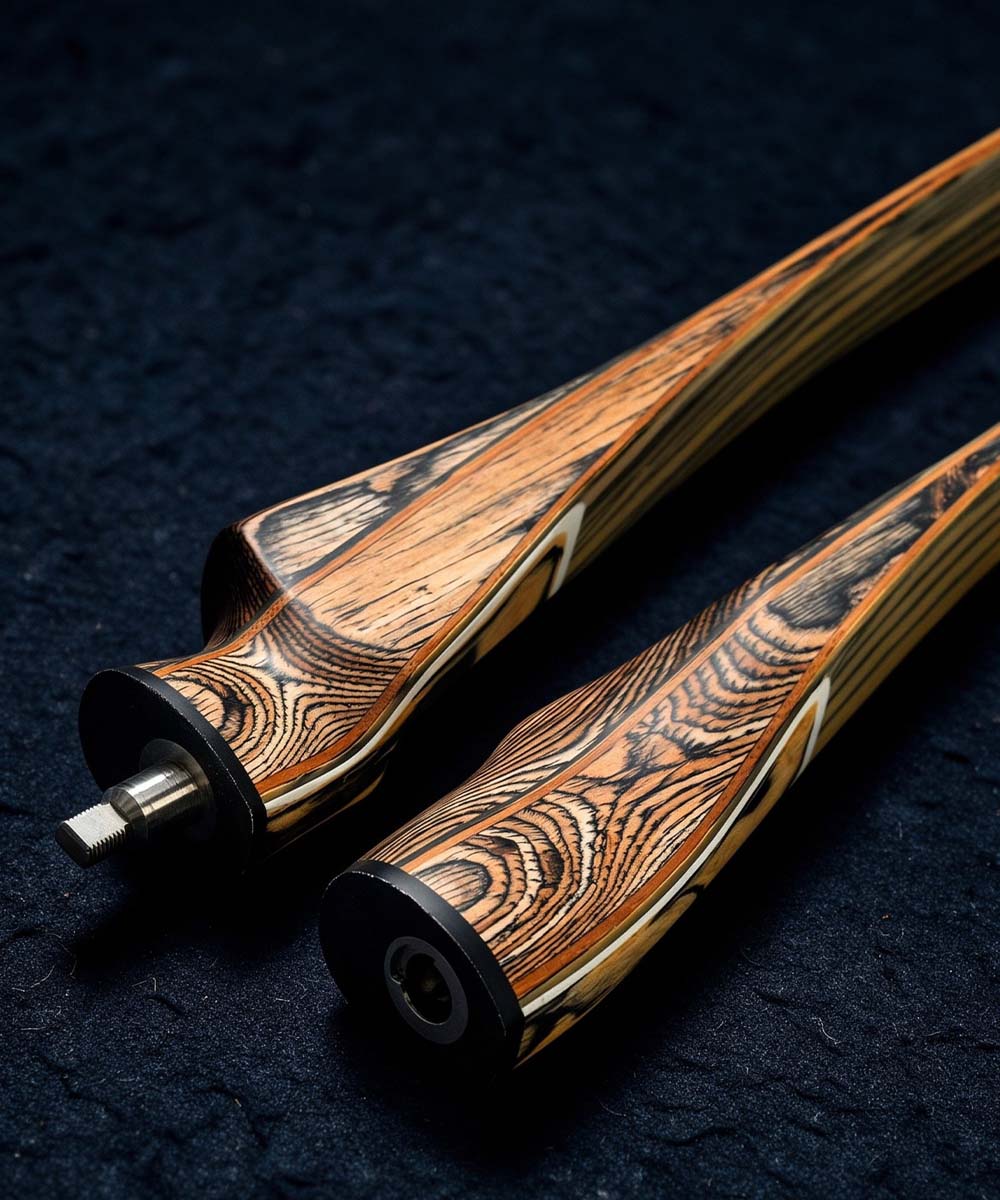
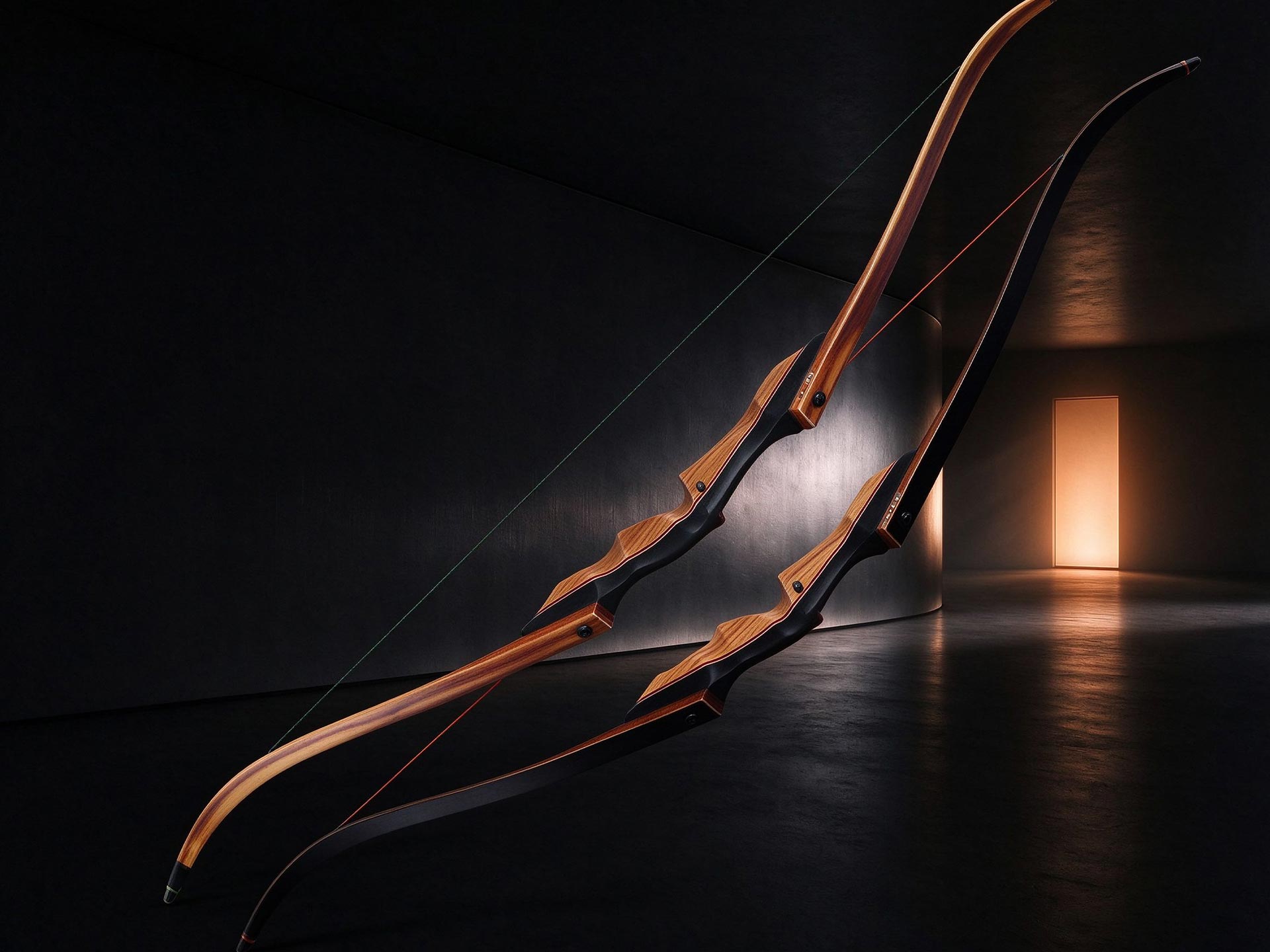
The take-down bow (Take-Down Bow) is the one beginners should consider first. Its body is made of a riser and a pair of limbs bolted together; it comes apart and you can assemble it yourself. This brings two practical benefits: first, it stores and carries easily; second, it "grows with you" — start with low-poundage limbs, and when your strength builds, just swap in a pair of limbs to add draw weight; the riser and quiver need not be rebought. Among ARCUNI's take-down recurves (the STD series) there are entry-level lines like "Marks NX1" and "Beginner," as well as mature models such as "SAGE" and "Rock Bear."
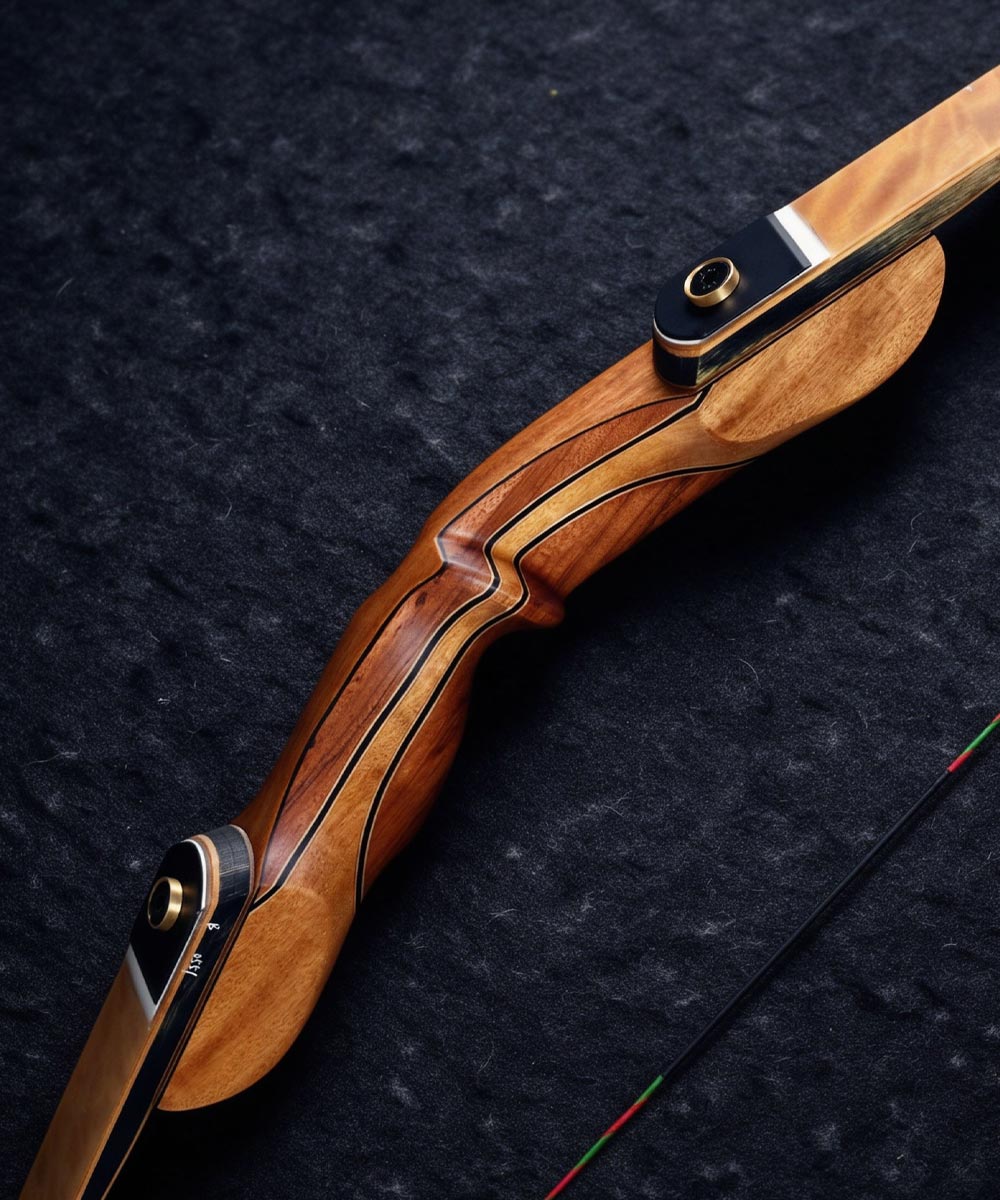
The one-piece bow (One-Piece Bow) is formed as a single piece, with no detachable joint. Its feel is more continuous, its structure simple and reliable, and it carries a traditional flavor — suited to shooters who like a pure feel and a leisure or traditional style, such as "Shikar," "Soren," and "Hawk."
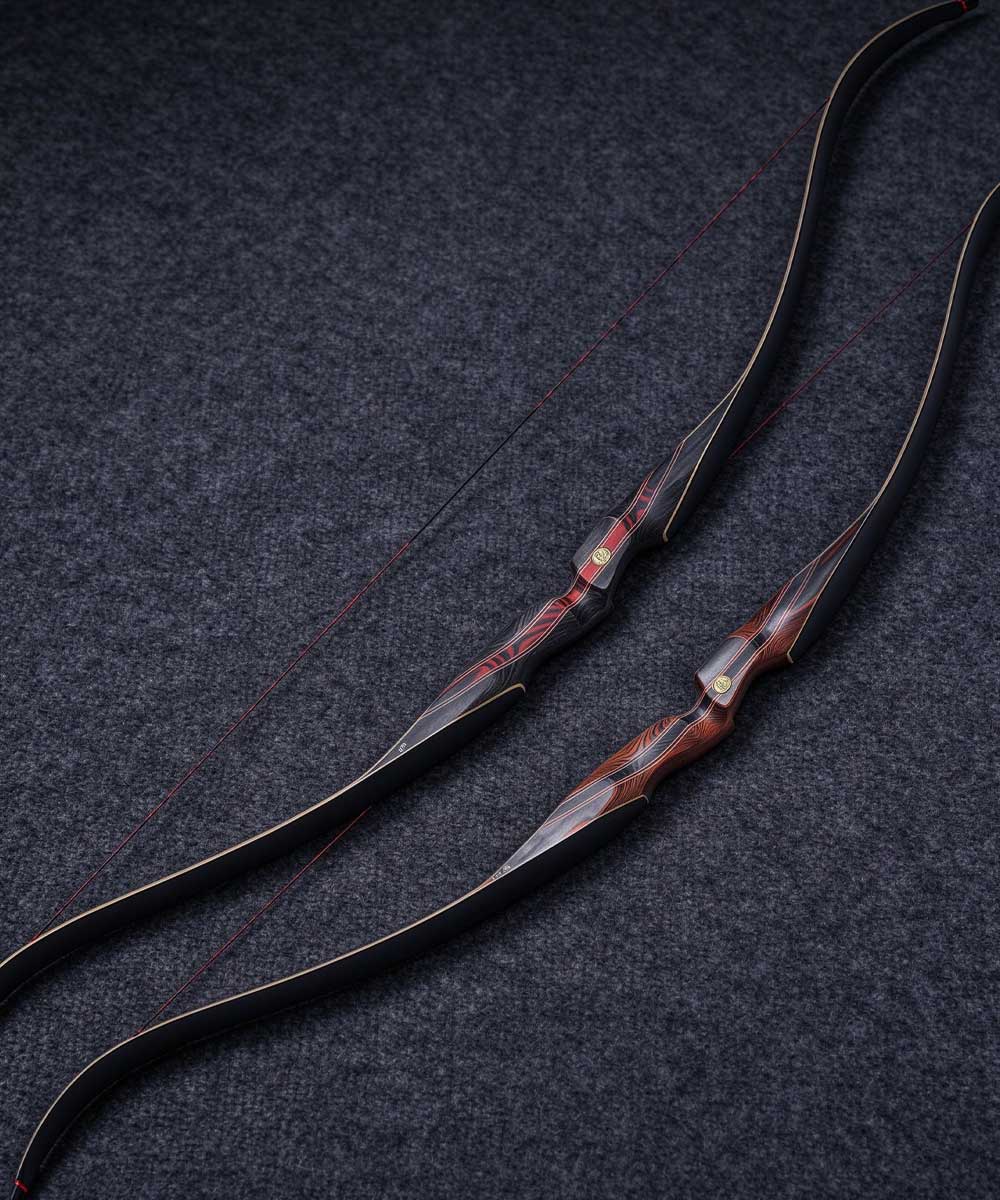
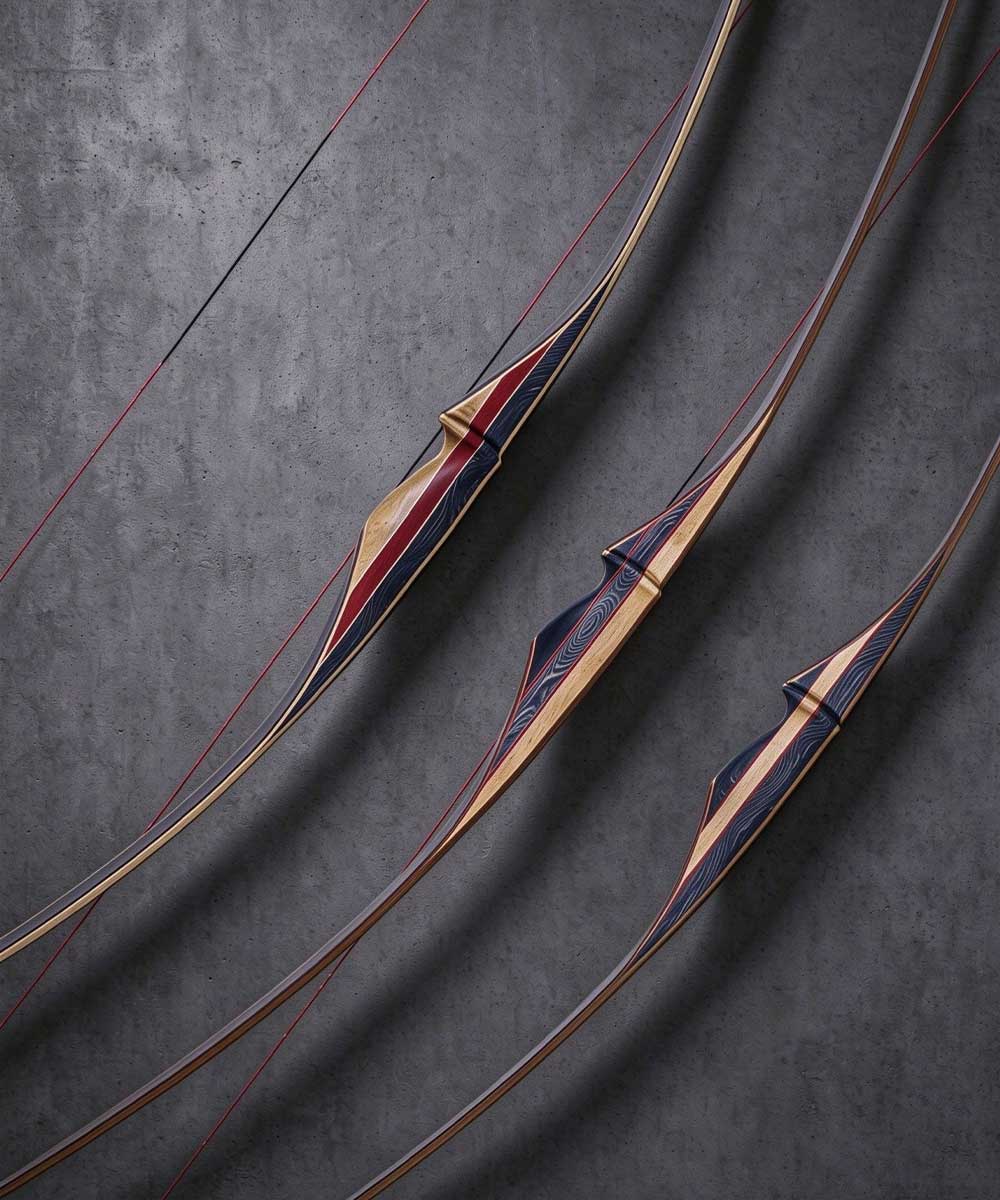
The longbow (Longbow) is a D-shaped, long bow body — elegant in form, soft in draw. ARCUNI also makes the longbow as a take-down, popularly called the "nunchaku (双截棍)" for its two-piece build. It attracts traditional-bow lovers and outdoor recreational shooters; representative models include "Kestrel" and "Hawkwing."
The traditional bow (Traditional Bow) takes a further step toward culture — emphasizing leisure, folk heritage, and flavor, returning to the simplest form of archery, such as "Chitu." It is not the first choice for competition, yet it is where many people fall in love with archery.
Why do we keep recommending beginners start with a take-down? Because it makes "upgrading" waste nothing. ARCUNI's limbs and risers are built up from raw material, layer by layer — cutting, sanding, lamination, curing, finishing, assembly, and tuning; every step answers to a number we can measure, not a nice-sounding phrase. That is exactly why, when you later swap a limb or a riser on its own, you know where you stand.
Three things to check when choosing a bow: draw length, draw weight, bow length
Whether your first bow works for you comes down to three numbers matching you.
Draw length is the arrow length from your full-draw posture to the grip of the riser. A simple general estimate: draw length ≈ your arm span (in inches) ÷ 2.5. For an arm span of 70 inches, that's about 28 inches. This is only a starting point; the precise value is best measured in-store with a draw-length arrow.
Draw weight is the "stiffness" of the bow at full draw, measured in pounds. The worst mistake for a beginner is going too heavy right away — if you can't hold it steady you won't shoot straight, and you risk injury. As a general reference, adult men can start from 16–24 lbs, adult women around 14–20 lbs, and teenagers or those with less strength 12–16 lbs. Being able to draw smoothly to full and hold steady for twenty to thirty seconds without shaking — that is the right poundage. This is not an ARCUNI measured spec but a widely accepted beginner range in the archery community; in the end, go by an in-person draw test.
Bow length must match draw length: the longer your draw, the longer the bow body needed to stay stable. Take-down bows usually adapt by choosing different limb lengths — another convenience of the take-down structure.
Don't let the arrows drag the bow down
Many beginners spend their whole budget on the bow and overlook the arrows — yet a mismatched arrow will miss even with the finest bow. For beginners, four points matter most.
One, arrow length: it must be 1–2 inches longer than your actual draw length as a safety margin — longer rather than shorter. Two, spine (stiffness): the degree the shaft bends in flight, which must match draw weight — the heavier the bow (higher pounds), the stiffer the arrow. Sellers usually provide a "draw weight → arrow spine" chart; just follow it. Three, material: carbon arrows are light and straight, the competitive mainstream; fiberglass arrows are cheap and durable, friendly to beginners; wooden shafts pair best with traditional bows and longbows. Four, points: for practice always use blunt field points — never practice on a target with broadheads.
One red line must be remembered: never use an arrow shorter than "draw length + safety margin." A too-short arrow can slip off the rest at full draw, causing equipment damage or even personal injury.
A few small essentials you can't skip
Beyond bow and arrows, beginners need a few small items to complete safety and feel. An arm guard prevents the string from slapping the forearm on release — almost essential; a finger tab or shooting glove protects the drawing hand's fingers from the string; a quiver keeps arrow access safe and handy. Last is the target and a safe range — a grass or foam target with a reliable backstop behind it; at all times confirm the line of fire is clear of people, pets, and breakables.
ARCUNI's beginner path
If we give only one most worry-free, least-regrettable route, we'd lay it out like this: pick a take-down recurve (ARCUNI's entry-level "Marks NX1 / Beginner," or "SAGE" / "Rock Bear"), pair it with a set of 12–20 lb limbs, add a set of carbon or fiberglass practice arrows, and round out with an arm guard and finger tab. When your strength builds, just swap in higher-poundage limbs to add weight — every other accessory carries over. That is the take-down's best economy.
If you'd rather a quiet, characterful experience, you can also start with a longbow (like "Kestrel" / "Hawkwing") or a traditional bow (like "Chitu"), paired with wooden arrows, returning to archery's simplest form. Compound-bow models and poundage ranges are published at ARCUNI's official product center; its beginner logic is the same as the recurve's: set draw length and a suitable draw weight first, then match the corresponding arrows.
Archery is a sport of wrestling with yourself and making peace with yourself. Your first bow need not be perfect — as long as it makes you want to raise, draw, and release it again and again, it is already the best beginning.